Expat Guide To Living In Singapore – 10 Things You Must Know!
Last updated January 2026
From its world-class education system and diverse career opportunities to its rich culture, it’s no wonder why Singapore is the ideal destination for many expats looking to move abroad. According to the Economist Intelligence Unit’s Global Liveability Index, Singapore consistently ranks among the top cities in Asia for quality of life, infrastructure, and safety.
However, moving to an entirely new place will always come with its own unique challenges. But fret not because we’ve got you covered.
From getting acquainted with the transportation system to searching for the best international schools for your child, here are the top 10 things expats moving to Singapore need to know!
10 Things To Help You Live Your Best Life In Singapore As An Expat
1. Understand Singapore’s Housing Areas To Live
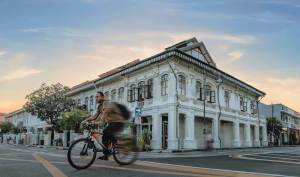
With just a quick search, you’ll find that most expats living in Singapore commonly reside in more central and affluent neighbourhoods. Some of these include Central Orchard, River Valley, Holland Village, Bukit Timah, and Marine Parade/East Coast, among several others.
This is mostly due to proximity to the city centre, where most offices and schools are conveniently located. Another plus that comes with living in these areas is how you will be able to connect with fellow expats in the community, which is especially helpful for those moving to a new place like Singapore.
But if you’re looking to stay in a more local neighbourhood, you can consider moving to the heartlands. The heartlands are suburban areas in Singapore typically located outside of the central area, characterised by public housing referred to as HDB (Housing Development Board) flats.
These include areas like Tampines, Punggol, Clementi and Jurong East. These suburban areas are away from the city centre but have their own town centres and shopping malls.
With the high cost of living in the country, many locals choose to stay in these areas due to their relative affordability.
These residential areas boast a variety of establishments and family-oriented amenities including playgrounds, parks, schools, restaurants, shopping malls, and markets. This allows residents to have easy access to their daily essentials without having to travel far and wide.
The heartlands can also be accessed more easily by public transportation, compared to upscale areas where you might need a car to get around.
Before anything, take some time to nail down this step as this is where you and your family will be for an extended period of time. You would want to not just find a house, but also a place you can call your home.
Ensure that your final choice meets all of your requirements in terms of price point, location, property type, amenities and proximity to establishments.
2. Checklist For Moving Into Your New Home
Choosing your new home and neighbourhood in Singapore: check. Now, it’s time to create a checklist for everything you’ll need for the big move.
No matter where you are, be it in Singapore or elsewhere, moving house can be a daunting and stressful task that can take anywhere from a few days to even weeks. But with the right amount of planning and preparation, you’ll set yourself up for a successful move.
Check out some of these best practices before moving into your new home in Singapore:
- Figure out the logistics for the move: From finding the right moving company to storage containers, ensure you find the right people for the job as they are responsible for the safety and transportation of all your belongings.
- Ensure that your home is move-in ready: Do a walkthrough of your new home pre-move and triple-check that the place is squeaky clean and free from any hazards.
- Find sturdy boxes or containers for your things: The last thing you want is for your things to fall out or get damaged during the moving process.
- Get organised when packing: Make sure to label your belongings according to category to avoid getting them mixed up during the unpacking.
- Double-check your inventory: Make a comprehensive list of everything you own that will be transported to your new home. Use this to cross-check and verify that you have everything with you and that your items have arrived safely.
Relocating from the Middle East? Read our dedicated guide to moving to Singapore from Dubai, covering tax differences, visa pathways, cost of living comparisons, and the best neighbourhoods for expat families from the UAE.
3. Plan For Your Child’s Education

Moving to a different country and adopting an entirely new curriculum can be challenging for students. That’s why most foreigners who relocate to Singapore choose to enrol their children in private international schools.
Most private schools adopt internationally recognised curricula like the International Baccalaureate (IB) Curriculum, which is something they might already be familiar with, making it easier for them to adjust during the move.
On top of that, it can also be extremely useful if the child plans to pursue their university education overseas due to their certification’s international recognition. The IB Diploma is accepted by universities in over 140 countries, including Oxford, Cambridge, Stanford, and all Ivy League institutions.
While expat children are allowed to enrol in mainstream schools in Singapore, most parents would still settle on an international school for several reasons.
Foreign students generally pay significantly higher fees in public schools than locals who benefit from subsidies. In fact, these fees are comparable to that of international school fees.
What’s more, Singapore’s general curriculum and educational pathway is quite different and complex, presenting a learning curve for foreign students especially if they’re joining in the middle of the school year.
4. Scouting International Schools
Now that you’ve decided to go with an International School for your child, it’s time to explore all the possible options!
Singapore has over 60 international schools that can cater to your child’s every possible need.
Looking for a specific international curriculum? Schools that teach in a specific language? Or perhaps one with a specific accreditation that can help with your child’s future university application? Regardless of your needs or preferences, you are bound to find the perfect fit for your child with all the options available.
Australian International School is one example of a renowned international school in Singapore. It’s important to take note of what the international school can offer. This includes pre-school care, elementary education and secondary curriculum.
Here are 5 things to consider when selecting your international school:
- The school’s values and philosophy
- The location of the school
- The range of Co-Curricular Activities (CCAs)
- The facilities on offer
- The qualification obtained (e.g. IB, HSC)
5. The Exciting Food Culture In Singapore
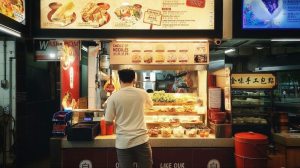
For both tourists and locals alike, Singapore is known all over the globe for its incredibly vibrant food culture.
Thanks to its geographical location, the flavours of Singaporean cuisine were heavily influenced by a myriad of other cultures including the Malaysian, Indonesian, Chinese, and Indian communities. Our local cuisine is literally a melting pot of different cultures!
From hawker centres, fusion restaurants, specialty cafes, and Michelin Star finds, the country is home to some of the best food and bars in the entire world. Singapore boasts over 50 Michelin-starred restaurants and is the only country where hawker food has earned Michelin recognition.
6. Doing Your Daily Grocery Shopping
From local wet markets to artisanal grocery stores, there are multiple places for you to do your grocery runs. Some of the biggest names locally are NTUC FairPrice, Sheng Siong, Cold Storage/CS Fresh, Giant/Giant Hypermarket, and Prime Supermarket.
But if you’re looking for something on the more premium end of things, you would want to check out places like Little Farms, Scoop Wholefoods, and Ryan’s Grocery.
For those who live in the heartlands, you may have a wet market in your neighbourhood. Shopping in these markets allows you to get fresh produce daily and is a great way to support your local community.
7. Stay Healthy In Singapore (Medical and Health Information)
When deciding to move abroad, one of the most important considerations you need to take note of is your family’s healthcare. In terms of financing, structure, and outcomes, healthcare systems around the world will vary.
Some of the most important healthcare considerations you need to take before moving overseas include:
- Understanding your new country’s healthcare system and processes
- Purchasing a healthcare insurance plan from either a local or international provider
- Staying up-to-date with the mandatory vaccinations in your new country
- Knowing the available clinics, hospitals, and other health facilities in your area
- Ensuring that any existing prescription is available in your new country
Fortunately, Singapore is known to have one of the most efficient healthcare systems globally. According to the World Health Organisation, Singapore’s healthcare system ranks among the top in the world for efficiency and outcomes, with skilful practitioners and staff along with some of the most sophisticated medical facilities.
Here are some doctors that cater specifically to expats in Singapore:
For insurance coverage, here are some of the top providers in Singapore:
8. Keeping Fit and Trim

Living in the Lion City means being spoiled for choice when it comes to anything related to fitness and physical wellness.
With many parks, fitness studios and wellness activities, there are plenty of ways for you to stay fit and active in Singapore.
For starters, take the time to explore the Park Connector Network: a 360-kilometre stretch of walking/running/cycling paths that are spread along the entire country, which connects various green spaces and parks seamlessly.
If you’re looking for fitness studios or classes to join, here are a few to get you started.
Gyms in Singapore:
- ActiveSG Gyms
- Virgin Active
- Fitness First
- Anytime Fitness
- F45
- Gold’s Gym
- Gymmboxx
Yoga Studios in Singapore:
- Yoga Movement
- Hom Yoga
- Freedom Yoga
- Platinum Yoga
- The Yoga Mandala
Pilates Studios in Singapore:
- Absolute Pilates
- Breathe Pilates
- Off Duty Pilates
- Pilates BodyTree
Spin Classes in Singapore:
- Absolute Cycle
- Ground Zero
- CruCycle
- Revolution
Dance Studios in Singapore:
- Converge Studios
- Danz People
- Recognize! Studios
- O School
9. Become A Shopping Expert
Believe it or not, there’s more to Singapore’s shopping scene than just Orchard Road.
While Orchard will always be known as the country’s top shopping hub and destination, plenty of other choices await.
Well-Known Shopping Malls and Districts in Singapore
Orchard Road – Singapore’s Shopping Belt
This is the heart of Singapore’s shopping district. You can be sure to find the widest variety of well-known brands. Everything from sumptuous food to designer bags and fitness gyms can be found here.
- ION Orchard
- 313@Somerset, Orchard Gateway and Orchard Central (Interconnected via linkway)
- Paragon Shopping Centre
- Ngee Ann City Shopping Centre
Exclusive Shopping – The Shoppes At Marina Bay Sands and Jewel
Have a taste for the more exclusive? You’ll want to check out The Shoppes At Marina Bay Sands and Jewel.
These two malls are known for their elegance and class that’s a cut above the rest. Indulge in everything from epicurean cuisine to timeless luxury brands and marvellous shows to dazzle you.
The Link To Sentosa – VivoCity
Be ‘wow-ed’ by Singapore’s biggest mall. Whether it’s a trip to the cinema or just a pit-stop towards the Island resort of Sentosa, VivoCity is a “must-go” destination.
You’ll be spoiled for choice when it comes to food and there are plenty of playgrounds for your little ones to enjoy themselves!
Ethnic Districts – Immerse Yourself In Singapore’s Rich Culture
Be sure to take a stroll down:
- Bugis Street
- Haji Lane
- Chinatown
You’ll find a different kind of shopping and dining experience. One filled with outdoor markets, bustling roads and clusters of quaint and rustic boutiques. Not to mention the unforgettable cultural adventure you’ll find there.
Seasonal Shopping Events and Pop-Ups
Last but not least, be sure to check out many of Singapore’s seasonal events that can pop up almost anywhere around this sunny island. You might find something that you’d absolutely love!
- Public Garden
- Boutique Fairs
- Sentosa Summer Fair
- Mummy’s Market
10. Getting Your Transportation Game On
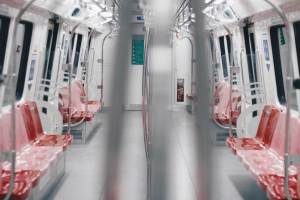
If you aren’t already aware, Singapore’s transportation system has been internationally lauded as one of the most sophisticated in the world. According to the McKinsey Global Institute, Singapore consistently ranks as one of the best cities globally for urban mobility, affordability, and sustainable transport.
With six MRT lines comprising over 130 stations, complemented by the public bus network that connects residential areas to MRT stations, the entire country is highly connected and can get you wherever you need to be in the most efficient way possible.
Currently, these are the following MRT lines in operation:
- North-South Line (NSL – Red line)
- East-West Line (EWL – Green line)
- North-East Line (NEL – Purple line)
- Circle Line (CL – Yellow line)
- Downtown Line (DTL – Blue line)
- Thomson-East Coast Line (TEL – Brown line)
As for Singapore’s bus system, the country is home to more than 370 scheduled bus services and over 5,000 bus stops nationwide! While the MRT system is incredibly reliable, certain bus services can take you deeper into the nooks and crannies of some areas and neighbourhoods that may otherwise be less accessible via train.
If you’re thinking of getting a car as your main mode of transport in Singapore, you’ll be in for a treat. Major destinations around Singapore are only a drive away, in many cases, within just 20 minutes.
You can expect to hit major locations from the city centre just a short drive away. These include:
- The shopping belt of Orchard Road
- Vibrant Chinatown and Little India
- Bayfront and Marina Bay Sands
- The Singapore Botanic Gardens
- Sentosa Island
From highways to efficient road connections, Singapore is highly connected together. Getting from one destination to the next is virtually seamless.
Get a Headstart For Your Child’s Educational Journey in Singapore with AIS!
With your big move, let us take a load off your shoulders and take care of your child’s needs as they embark on their educational journey in Singapore.
Here at AIS, we are committed to providing the best education for your child every step of the way. Be it from infant care to their pre-university days. With students from over 50 nationalities, our multicultural community helps expat children feel at home while receiving a world-class education.
Simply book a tour with us today to learn more about the AIS experience!
Have a question about moving to Singapore or where to live? Our admission managers are here to assist you with your query.